The council · Centre of the House
KXCO Round Tableby Knightsbridge
The software at the centre and the record it keeps.
Status Live, private deployments
What it is
Round Table keeps the shared data model at the centre of the House. It keeps claims about organisations, people, assets and events as a structured record. Every claim carries its source, the basis for it, a confidence level and the date it took effect, so a reviewer can see which claims applied on a given date and how they changed afterwards. Analysts and AI models work from the same record, and the record shows which of them said what.
| For | Investment managers, operations and risk teams, governments |
|---|
The ontology, a data model (not an AI model)
Point at a concept to see what it connects to. Drag to turn the figure.
What the figure shows
- At the centre
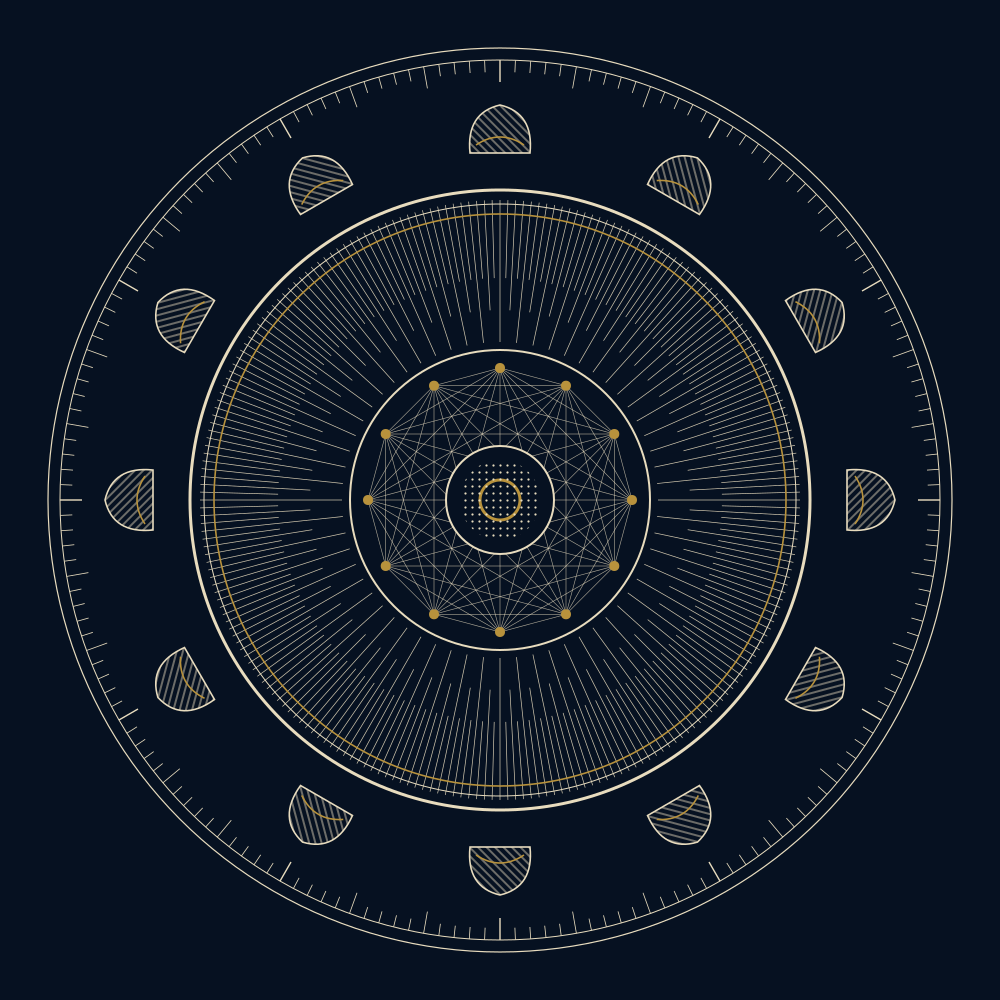
- Identity, Authority, Assets, Events, Trust, History, Proof
- Around them
- Transactions, Provenance, Compliance, Settlement, Custody
- At the edge
- People, AI agents, Institutions
The six steps in Watch it operate, an illustrative sequence
- An institution is admitted to the record.
- People and AI agents are identified (Herald identity for people and AI agents is live).
- Authority is delegated: an AI agent is given scope to act.
- An agreement is signed and the proof is recorded.
- Payment settles and ownership passes between the parties, through the licensed institutions that hold the assets.
- The history is recorded where another party can check it.
Modules
| Module | What it does |
|---|---|
| Round Table Ontology | The shared data model and the structured record of claims, each with source, basis, confidence and effective date. |
| Round Table Live map | A navigable view of entities and relationships. Every link shows whether it was observed or inferred. |
| Round Table Review | A structured challenge of a claim or decision before anyone relies on it. Guildhall uses it on larger transactions. |
Status
Availability
| Status | Live, private deployments |
|---|---|
| Available today | Live in private deployments. Public maps use public data only. |
Where it stops
Round Table records and explains. Decisions stay with named people. Confidential institutional graphs never appear in marketing.
What you can check
We show each of these in a meeting, using a Round Table demonstration room and inputs you choose.
- An outside AI agent can only propose. An agent connects through an account that can read what it is allowed to see and propose actions. It cannot decide, approve or carry anything out. The service enforces that rule, so an agent that calls the service directly to decide is refused.
- A refusal is kept. When a person turns down an agent's proposal, the decision is entered in the record under that person's name, and the proposal stays in the record with it. When the service refuses an attempt, it logs who tried what and which rule stopped it, for the record's managers to review.
- A third party can check an exported record offline. Round Table exports the record as a file. A standalone checker, written separately from Round Table's own code, recomputes its hash chain on the reader's machine, with no network connection and no KXCO system in the path. To confirm nothing was cut from the end, the reader compares the last entry with a copy held elsewhere, such as an anchor on Armature.
Ask for a demonstration at [email protected].
In the House
Findings and attestations from the other products can be read into Round Table as sourced claims, so one record answers two questions: what do we know, and how do we know it.